
Rewiring Realities: decoding, disrupting and dreaming
Reconfigurar Realidades: descodificar, desestabilizar, sonhar
Curadoria / Curatorship
Joana Chicau e Diogo Marques
18 jun – 18 jul (2026)
Casa dos Livros
Palacete Burmester, Campo Alegre, Porto
Rewiring Realities stages an encounter among artistic practices that treat computation as situated matter: archive and interface, voice and gesture, data and memory, ritual and machine. Across browser-based environments, code-poetry, textile operations, sound, artificial intelligence, interactive fiction and speculative cartographies, the exhibition follows the ways digital systems organise perception, produce categories, distribute agency and shape relations between human and more-than-human worlds.
In it, code appears throughout the exhibition as something more unstable than instruction. It speaks, classifies, stores, erases, repeats, fails, remembers, forgets. In The Archive of Lost Mothers, Computational Mama approaches artificial intelligence through care, motherhood and non-Western feminist datasets. Winnie Soon’s Vocable Code attends to the vocal, textual and performative dimensions of programming, opening code to opacity, queer practices and collective rearticulation. Mariana Marangoni’s A Forlorn Mass turns digital horror toward the hidden labour and exhausted materialities that sustain computational culture.
Other works move between ecological knowledge, embodied practice and speculative systems of meaning. In Cartografia (multi-dimensional) do Estuário do Tejo, Joana Pestana and Diogo Silva translate an ecological publication into a computational map, reflecting on how territories, categories and forms of knowledge are organised. Flor de Fuego’s Chaoswellen connects stars, ritual and algorithms as systems for reading signs and producing meaning. Mari Moura and Joenio’s Live Crochet Coding articulates live coding and textile practice, linking computation to rhythm, touch and collective presence.
The exhibition also approaches code as interaction, navigation and creative misuse. Kofi Oduro’s DigiSensorial Transportation combines video, sound and interactive narrative to produce shifting sensory realities. Yasemin Melek’s Mesh: Cutting Code imagines programming as a fabric-like grid to be cut, moved and mended, transforming code into a material process of play, interruption and repair.
The apparent smoothness of digital systems gives way to friction: broken links, haunted interfaces, unstable archives, improvised tools, embodied gestures, speculative maps and more-than-human relations. To rewire reality is to alter the circuits through which meaning is made: to decode what remains hidden, disrupt what has been normalised and dream other forms of technical, sensorial and collective life.
Featured Artists
Computational Mama
The Archive of Lost Mothers
Bio
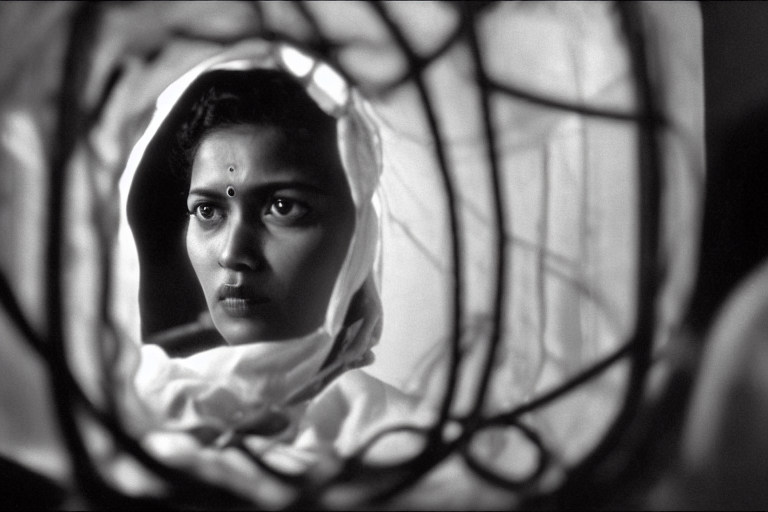
Computational Mama is an artist and creative technologist whose work explores code as a practice of care. Through workshops, community-based learning and artistic projects, she creates spaces for makers to engage critically with computation. Her current research investigates intersections between motherhood, artificial intelligence and non-Western feminist datasets, while also supporting artists in developing their own solar-powered AI servers. She has been a Godrej Design Fellow, Pro Helvetia Research Fellow, Processing Fellow and BeFantastic Fellow, with work presented at Bangalore International Center, India Art Fair and Vorspiel / transmediale & CTM.
Artwork description
The Archive of Lost Mothers engages with the intersections of motherhood, care and artificial intelligence. The project approaches the archive as a space where absent, marginalised or underrepresented forms of knowledge can be reactivated through computation. By questioning the datasets, categories and assumptions that shape AI systems, the work reflects on how machine learning reproduces dominant cultural structures while also asking how alternative archives might be imagined. In the context of Rewiring Realities, the piece opens a critical space for thinking about feminist data practices, non-Western epistemologies and the possibility of more situated, caring computational infrastructures.
Mariana Marangoni
A Forlorn Mass
Bio
Mariana Marangoni is a computational artist and researcher based in London. She is currently a PhD student at UAL Creative Computing Institute and Lecturer in MA Interaction Design at London College of Communication. Her work critically examines digital materiality and its socio-ecological implications through installations, web-based experiments and visual poetry. Recent projects explore computational paradigms for an increasingly exhausted planet. Her work has been presented at venues and festivals including the Victoria and Albert Museum, The Photographers’ Gallery, Rhizome.org, Ars Electronica, Mesh Festival, transmediale and AMRO.
Artwork description
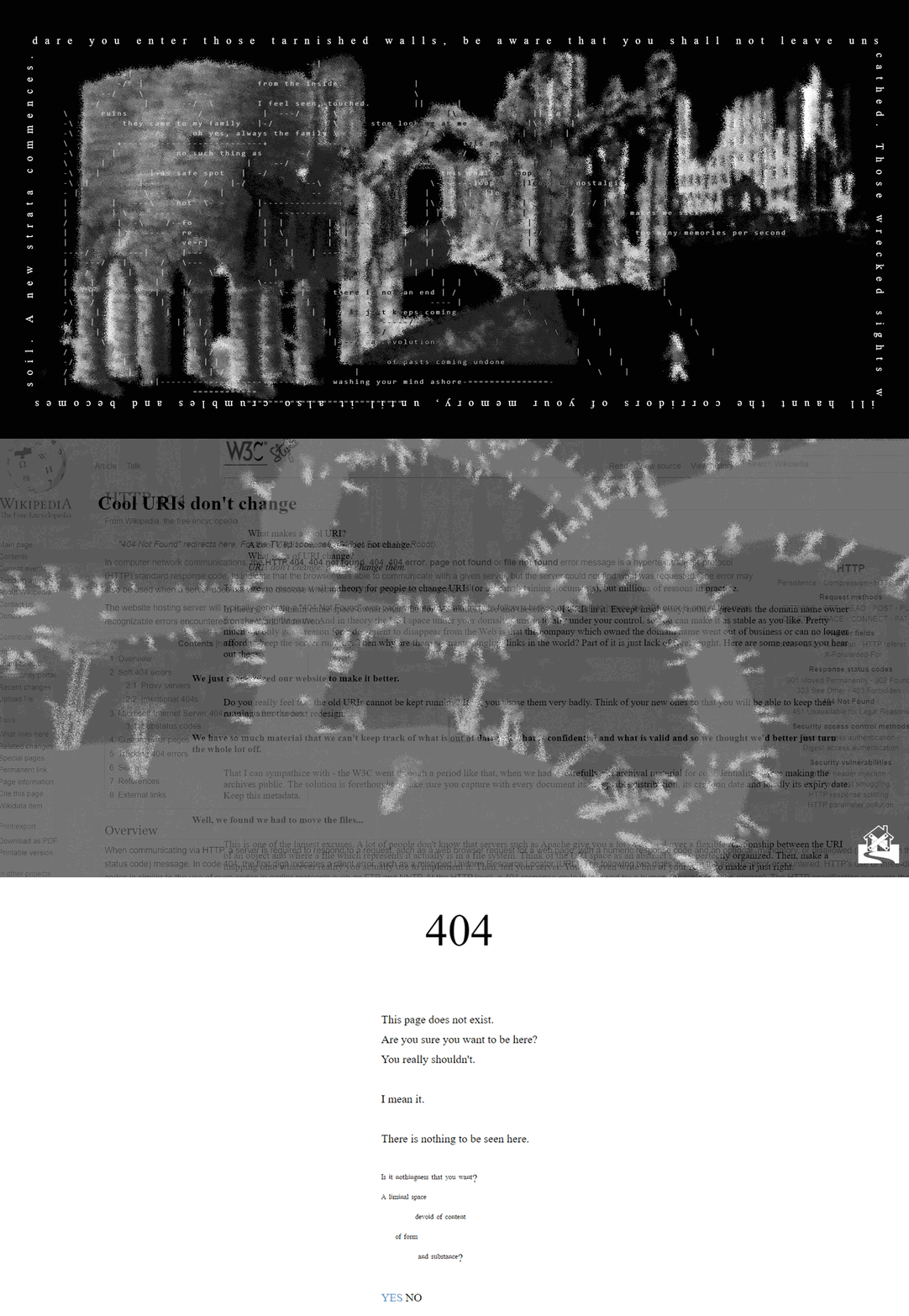
A Forlorn Mass is an interactive browser-based maze built from field materials gathered during the exploration of an abandoned school on the outskirts of Beijing, combined with found footage collected through digital urban exploration. Drawing on the aesthetics of early PC horror games and prank screensavers, the work approaches digital infrastructures as haunted spaces. Its ghosts are not supernatural figures, but the invisible labourers and wasted lifeforce embedded in contemporary computation: miners, factory workers, scrappers, content moderators and others whose labour sustains networked systems. Developed with obsolete FLOSS web tools and unconventional rendering strategies, the work reimagines digital horror as a critical reflection on materiality, exhaustion and the hidden costs of computational culture.
Joana Pestana and Diogo Silva
(Multi-dimensional) Cartography of the Tagus Estuary

Bio
Joana Pestana is a designer, educator and researcher. She is a PhD candidate in Digital Media at ITI-Larsys, University of Lisbon, and i2ADS, University of Porto, supported by an FCT fellowship. She teaches at the Faculty of Fine Arts of the University of Porto and holds an MA in Visual Communication from the Royal College of Art. Her work explores posthuman contexts, surveillance and artificial intelligence through forums, workshops and exhibitions. Diogo Silva is a research engineer at the Interactive Technologies Institute, working on generative AI and more-than-human creation.
Artwork description
(Multidimensional) Cartography of the Tagus Estuary visualises the conceptual matrix of Estuário do Tejo: Onde o Rio Encontra o Mar through an open-source multilingual embedding model. The work maps words and concepts as tokens within a multidimensional field of relations, proximities and probabilities. By using techniques of dimensionality reduction, the piece translates computational relations into a cartographic image where plants, animals, rocks, museum artefacts and human technologies appear as part of an ecological landscape. The work reflects on mapping as both a technical and political operation, questioning how territories, categories and forms of knowledge are organised, centred or displaced.
Winnie Soon
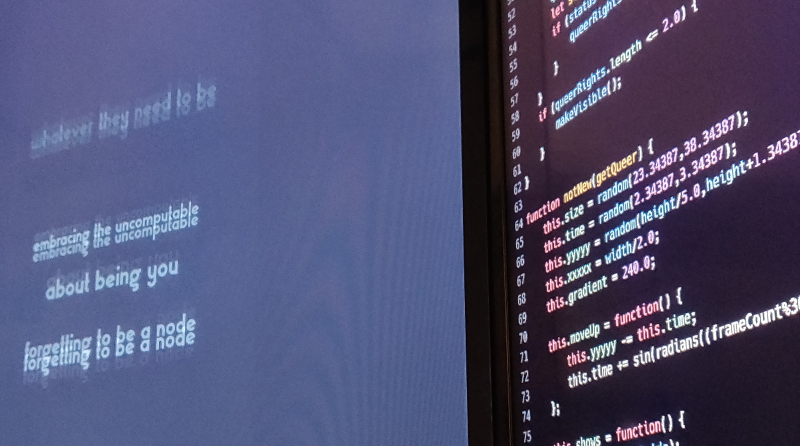
Vocable Code
Bio
Winnie Soon is a Hong Kong-born artist-coder and researcher whose work investigates the cultural implications of digital infrastructures, with a particular focus on computational publishing, queering code and software culture. Their artistic and scholarly practice engages with free and open-source culture, coding otherwise, digital censorship, minor technology and experimental forms of technical writing. Their work has been presented in museums, galleries, festivals, distributed networks and publications. Soon is the co-author of Aesthetic Programming and other books, co-editor of the Software Studies Book Series at MIT Press, and Associate Professor at the Slade School of Fine Art, UCL.
Artwork description
Vocable Code explores code as a linguistic, political and performative material. Rather than treating programming as a transparent technical instrument, the work foregrounds its vocal, textual and cultural dimensions, opening code to forms of expression that exceed efficiency and functionality. In dialogue with Soon’s broader practice around queering code and computational publishing, the piece asks how software can become a site of opacity, resistance and collective rearticulation. Presented within Rewiring Realities, Vocable Code contributes to a critical understanding of code as a contested language, shaped by infrastructures, bodies, voices and power relations.
Mari Moura and Joenio
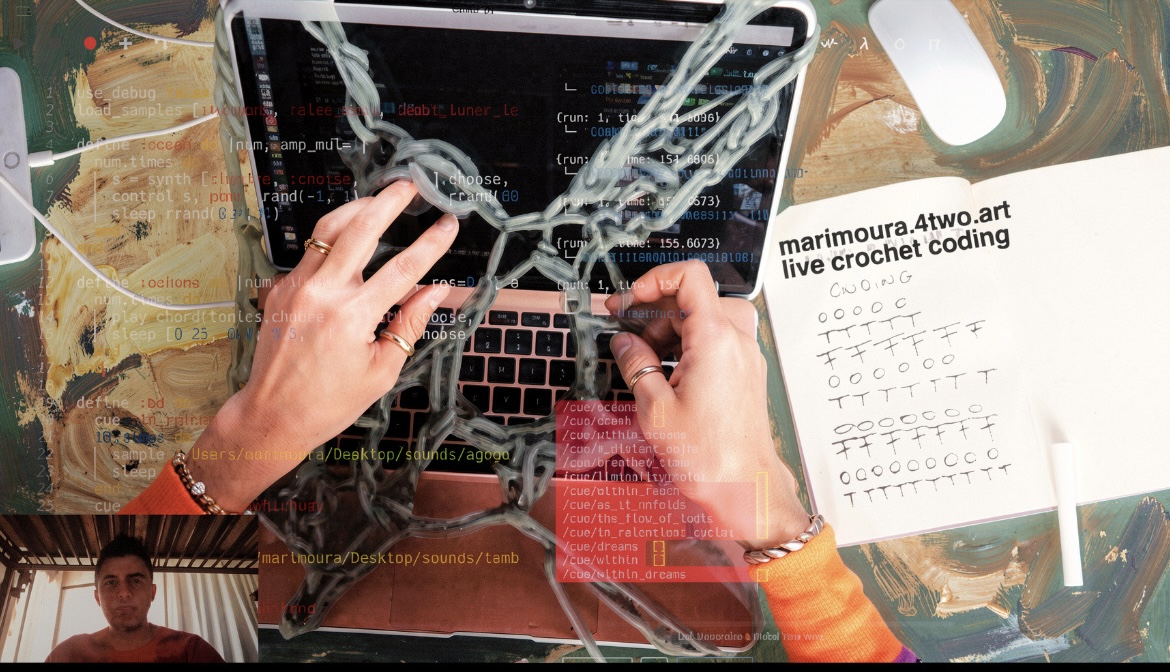
Live Crochet Coding
Bio
Mari Moura is an artist and researcher with a PhD in Visual Arts from the University of Brasília. Her work focuses on performance art and on the relations between art, body and technology, developed through Laboratorio 4two.art. Her practice includes performance, visual arts and live coding, and she is committed to the presence of Black women in art and technology. Joenio Marques da Costa is a computer artist whose work spans net art, sound art, audiovisual practices, film, demoscene and live coding. He created the live coding system dublang and is co-founder of 4two.art lab.
Artwork description
Live Crochet Coding brings together live coding, textile practice and performance. The work explores correspondences between the gestures of programming and crochet, treating code and thread as materials that can be looped, knotted, repeated and transformed. Through this relation between software and handwork, the piece questions dominant ideas of technical production and foregrounds embodied, situated and collective forms of computation. In the context of Rewiring Realities, the work expands the exhibition’s engagement with code by connecting digital processes to craft, rhythm, touch and the politics of presence in art and technology.
Yasemin Melek
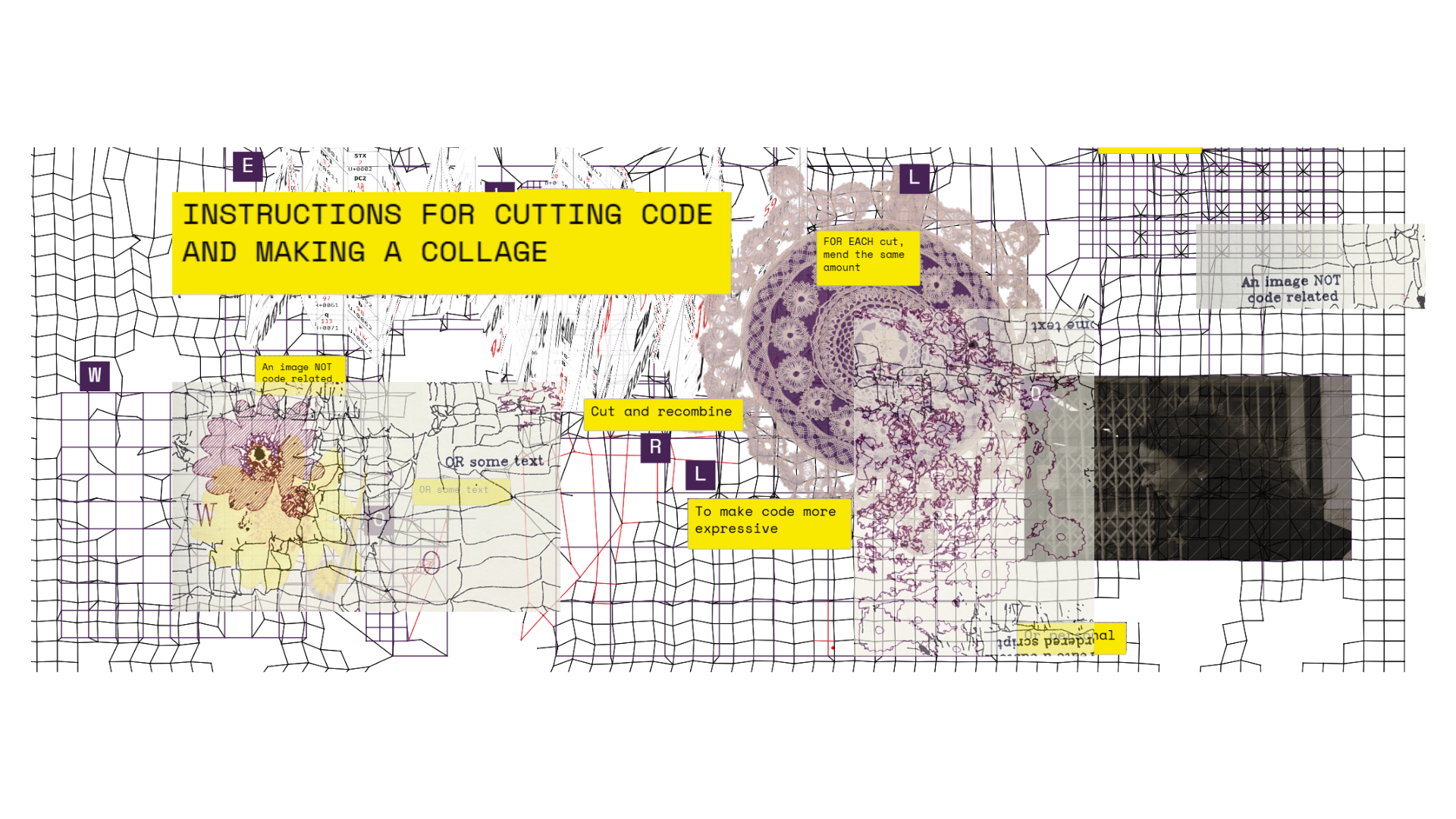
Mesh: Cutting Code
Bio
Yasemin Melek is a computational artist and researcher whose work approaches creative code as a medium for critical thinking. With a background in Computer Engineering, she works across programming paradigms while intentionally disrupting them in order to question instrumentality and foreground reflection, play and collective exploration. Her practice is also concerned with the social dimensions of coding and with interactive systems that reframe human-technology relations. She is currently Associate Lecturer at the Creative Computing Institute, University of the Arts London, where she teaches critical and creative computational arts practice.
Artwork description
Mesh: Cutting Code is an esoteric programming language shaped as a fabric-like grid. Instead of writing code through conventional syntax, the programmer cuts, moves and mends the grid to perform simple operations. The interface is intentionally reactive and unpredictable, resisting precise outcomes and favouring exploration over efficiency. By treating code as a material process, the work opens programming to gestures of cutting, repairing, collage and creative misuse. Integrating images and text as expressive elements, Mesh challenges the idea of code as purely functional and invites participants to rethink computation as a critical, playful and political medium.
Kofi Oduro / illestpreacha
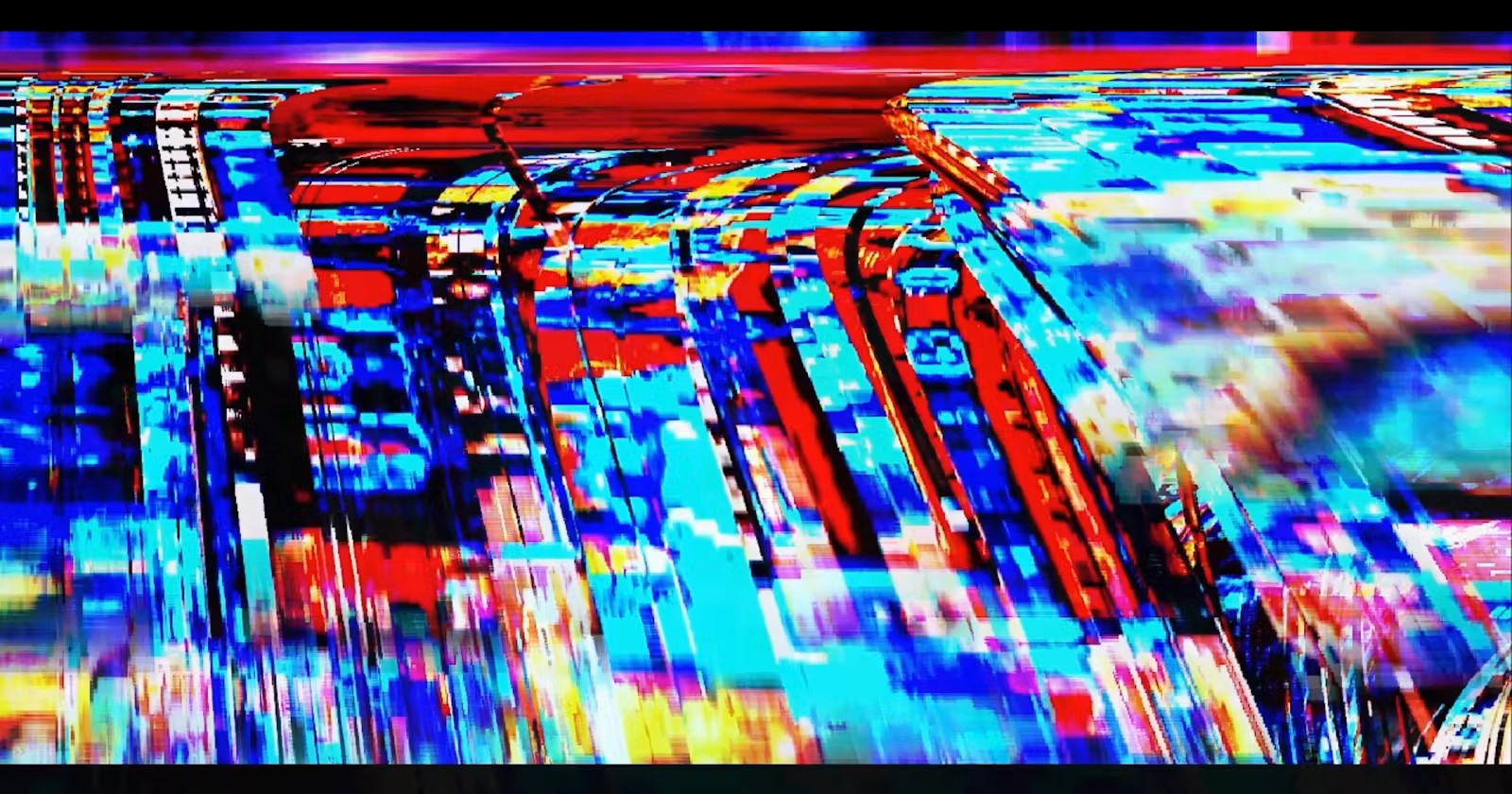
DigiSensorial Transportation
Bio
Kofi Oduro, also known as illestpreacha, is an award-winning experiential storyteller working across sound, image, data, words and code. Drawing on more than a decade of experience in performance, event production and audiovisual creation, his practice transforms everyday observations into participatory works that invite discussion, reflection and interaction. Through videography, poetry and creative coding, he explores human performance, perception and states of mind across social, internal and embodied situations. His work uses music and visuals to open sensorial spaces where audiences can encounter, question or reinterpret shared experiences.
Artwork description
DigiSensorial Transportation proposes a hybrid experience combining video, sound, code and possible interactive fiction elements. The work investigates how digital environments can produce shifting realities through audiovisual perception, embodied response and navigational structures. By combining screen-based material with possible QR codes, audio playlists or browser-based interactions, the piece invites visitors to move between sensory registers and unstable narrative paths. Within Rewiring Realities, the work expands the exhibition’s interest in computational systems by approaching code not only as infrastructure, but also as a sensorial device for creating multiple, changing realities.
Flor de Fuego
Chaoswellen
Bio
Flor de Fuego is a digital-craft artist working primarily with programming and live coding to create performative experiences. Her research explores the body, space, code, and the relationship between chaos and cosmos. She has participated in international festivals across Europe and the Americas, both individually and in collaboration with other artists. Flor is actively involved in the live coding community and contributes to Hydra, a browser-based live coding software developed by Olivia Jack. Her work brings together computational processes, embodied performance, and speculative forms of digital ritual.
Artwork description
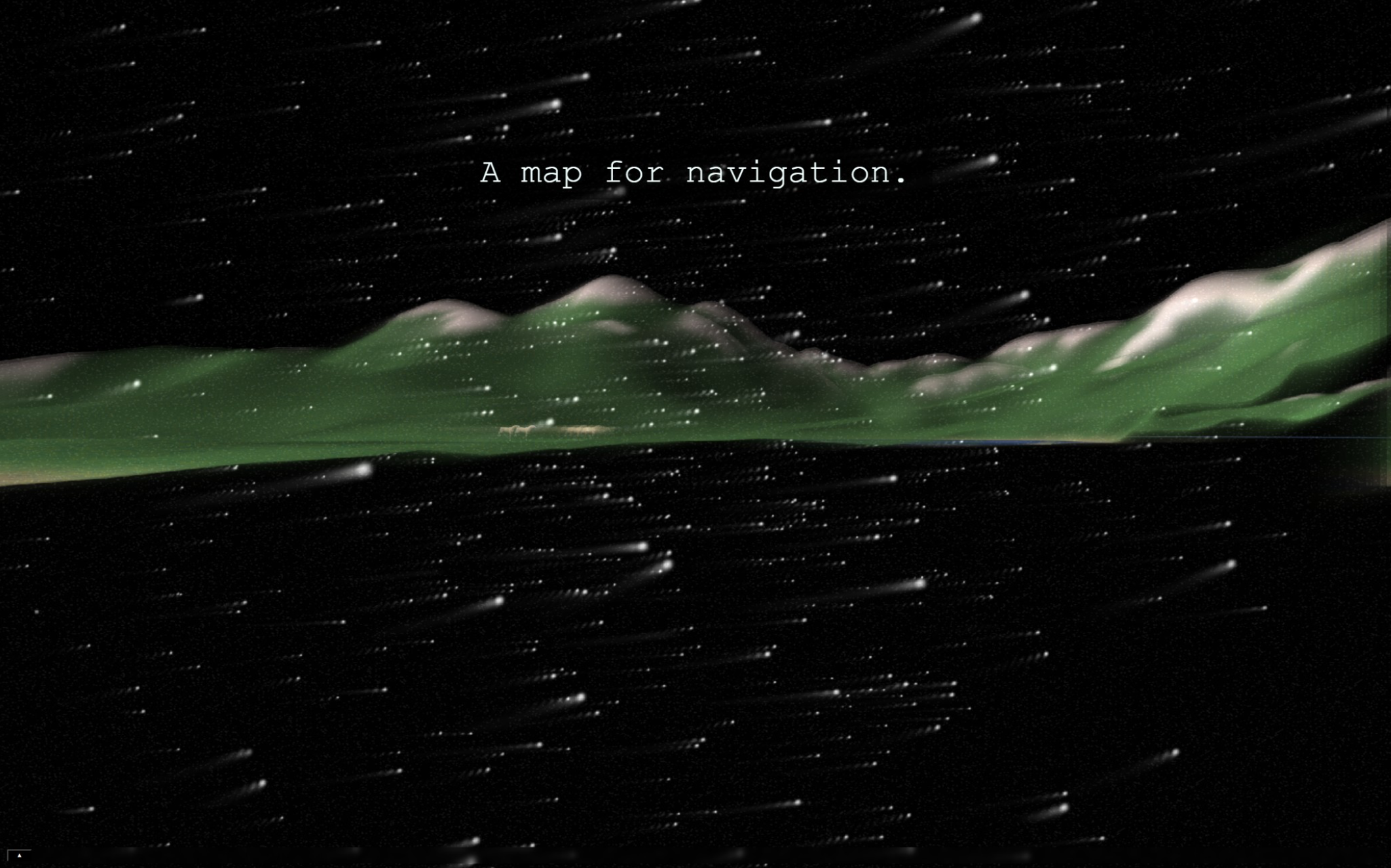
Chaoswellen is a browser-based interactive experience that connects stars, rituals, magic and algorithms as systems for producing meaning. Drawing on the human impulse to read the sky and assign significance to the universe, the work explores how different societies create patterns, narratives and forms of orientation from cosmic signs. Presented as a game-like environment without a fixed goal, the piece invites visitors to navigate a speculative space where storytelling, computation and ritual intersect. In Rewiring Realities, Chaoswellen expands the exhibition’s reflection on algorithms by placing them in dialogue with older practices of interpretation, divination and collective imagination.